
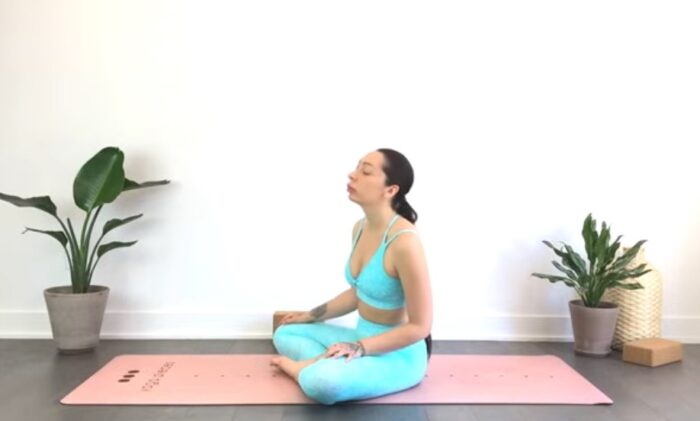
Yoga for better sleep is not about vigorous, sweat-inducing flows or challenging arm balances. It is the art of deliberate unwinding. It is a systematic, somatic approach to signaling to the deepest parts of our nervous system that the emergency is over, the day is done, and it is finally, unequivocally, safe to rest.
In the silent, dark hours of the night, a familiar torment unfolds for millions. The body is weary, the world is still, but the mind refuses to yield. It crackles with a frantic energy, replaying the day’s conversations, amplifying tomorrow’s anxieties, and spinning a web of thoughts that feels inescapable.
This is the modern epidemic of sleeplessness—a state of exhaustion coupled with hyper-arousal that no amount of counting sheep can cure. While the quest for sleep often leads to pills, potions, and apps, an ancient and profoundly effective remedy lies in the gentle, intentional practice of yoga.
This practice, often slow and restorative, addresses the root causes of sleeplessness: a buzzing nervous system, a body holding the physical residue of stress, and a mind that has forgotten how to switch off.
This article will explore the powerful science behind Yoga for better sleep aid, detail the specific practices that coax the body into slumber, and provide a practical roadmap for creating a bedtime ritual that can transform your nights from a battle into a sanctuary.
The Science of Surrender: How Yoga Calms the Nervous System
To understand why yoga is so effective for sleep, we must first understand the physiology of stress and relaxation. The autonomic nervous system (ANS) has two primary gears: the sympathetic nervous system (SNS), our «fight-or-flight» response, and the parasympathetic nervous system (PNS), our «rest-and-digest» state.
The SNS is our survival engine. When activated by stress—whether a looming deadline or a near-miss in traffic—it floods the body with cortisol and adrenaline. Heart rate increases, muscles tense, breath becomes shallow, and the mind becomes hyper-vigilant. This is essential for navigating real danger, but modern life, with its constant notifications and pressures, can leave the SNS chronically activated, like an alarm that won’t shut off. Trying to sleep with a dominant SNS is like trying to park a car with the accelerator pressed to the floor.
Yoga, particularly gentle and restorative forms, is a direct dial to the PNS. It works through several powerful mechanisms:
- The Vagus Nerve Stimulation: The vagus nerve is the superhighway of the PNS, running from the brainstem through the heart, lungs, and digestive organs. It is responsible for calming the heart, deepening the breath, and promoting states of calm. Specific yoga practices—especially slow, diaphragmatic breathing and gentle poses that open the chest and throat—stimulate the vagus nerve, triggering a «vagal brake» on the heart and initiating a cascade of relaxation throughout the body.
- Regulating the Breath (Pranayama): The breath is a unique bodily function—it is both automatic and under our voluntary control. It is the bridge between the conscious and the unconscious. When we are stressed, we breathe rapidly and shallowly into the chest, which reinforces the SNS. Yoga teaches us to consciously shift this pattern. By elongating the exhalation, practicing equal-part breathing, or engaging in techniques like Nadi Shodhana (Alternate Nostril Breathing), we directly signal the brainstem to slow the heart rate and lower blood pressure, effectively switching the nervous system from «fight-or-flight» to «rest-and-digest.»
- Releasing Physical Tension: Stress and anxiety are not merely psychological; they manifest as physical tension, often stored in the shoulders, jaw, hips, and lower back. This physical armoring can be enough to prevent sleep. Yoga poses gently stretch and release these areas of holding. By physically letting go of muscular tension, we send a powerful feedback message to the brain that the threat has passed, further encouraging a state of relaxation.
Crafting the Nightly Ritual: Principles of a Sleep-Inducing Yoga Practice
A pre-bed yoga sequence should be fundamentally different from a morning or midday practice. The goal is not to energize or build strength, but to downregulate the entire system. Key principles include:
- Focus on Forward Folds: Poses where the head is below the heart, such as Child’s Pose or Standing Forward Fold (with support), are inherently calming. They have a slight pressure effect on the carotid sinuses, which helps to lower blood pressure and slow the heart rate. They also encourage an inward focus, turning attention away from the external world.
- Embrace Supported and Restorative Poses: This is the cornerstone of yoga for sleep. Using props like bolsters, blankets, and blocks is not a sign of weakness but of intelligence. Props allow the body to be fully supported, so the muscles can completely let go without any effort to hold a position. The feeling of being «held» is deeply soothing to the nervous system.
- Prioritize Long, Static Holds: Instead of flowing from pose to pose, the practice should involve holding calming poses for several minutes—anywhere from 2 to 5 minutes or more. This extended time allows the body to sink past initial resistance and access a state of profound release.
- Cultivate an Atmosphere of Gentleness: The practice should be devoid of any striving or goal-orientation. It’s not about how deep you can go into a stretch, but about how completely you can surrender. Dim the lights, perhaps light a candle or use soft, calming music, and let this time be a non-negotiable gift to yourself.

The Yoga for Sleep Toolkit: A Sequence for Deep Rest
The following sequence is designed to be practiced 30-60 minutes before you intend to sleep. Hold each pose for 10-20 deep, slow breaths, unless otherwise noted. Focus on making your exhalation longer than your inhalation.
- Centering with Breath Awareness (5 minutes)
Sit comfortably on the floor or on your bed, perhaps supported by a cushion. Close your eyes. Simply observe your natural breath without trying to change it. Then, begin to gently deepen it, imagining you are breathing into the base of your spine on the inhale, and releasing all tension from the crown of your head on the exhale. This begins the process of internal awareness. - Legs-Up-The-Wall Pose (Viparita Karani) – 5-10 minutes
This is arguably the single most important pose for sleep. It reverses the flow of blood and lymph, soothing the nervous system and relieving tired legs. It’s a gentle inversion that is accessible to almost everyone.
- How to: Sit sideways with your right hip against a wall. Swing your legs up the wall as you lie back onto the floor. Your sitting bones don’t need to be flush against the wall; a few inches away is fine. Place a folded blanket or bolster under your hips for support. Rest your arms out to your sides, palms up. Close your eyes and surrender to the support of the ground.
- Supported Child’s Pose (Balasana) – 3-5 minutes
A deeply comforting and fetal-like pose that promotes a sense of safety and withdrawal from the senses.
- How to: From a tabletop position, bring your big toes to touch and widen your knees. Sit your hips back towards your heels. Place a bolster or a stack of pillows lengthwise between your thighs and rest your torso and head completely on the support. Turn your head to one side, switching halfway through.
- Reclining Bound Angle Pose (Supta Baddha Konasana) – 5 minutes
A powerful heart and hip opener that releases deep emotional and physical tension stored in the core of the body.
- How to: Lie on your back. Bring the soles of your feet together and let your knees fall out to the sides. Place bolsters or pillows under each knee and another under your head and spine so your chest feels open and supported, not collapsed. Place a soft weight, like an eye pillow, on your forehead or low belly for added grounding.
- Supported Seated Forward Fold (Paschimottanasana) – 3-5 minutes
A calming pose that stretches the entire back body, soothing the nervous system and quieting the mind.
- How to: Sit with your legs extended straight in front of you. Place a bolster or several pillows on your legs. Inhale to lengthen your spine, and as you exhale, fold forward from the hips to rest your torso on the support. Turn your head to one side.
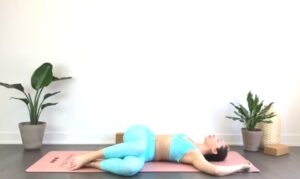
- Supine Spinal Twist (Supta Matsyendrasana) – 2-3 minutes per side
A gentle wringing action that releases tension in the spine, lower back, and hips.
- How to: Lie on your back. Hug your right knee into your chest, then guide it across your body toward the floor on the left side. Keep both shoulders grounded if possible. You can look over your right shoulder. Use a pillow under the right knee for support. Feel the gentle release in your spine.
- Final Relaxation: Corpse Pose (Savasana) with Legs on a Bolster – 10+ minutes
This is the culmination of the practice, where the benefits are integrated. The supported version is even more deeply relaxing.
- How to: Lie on your back. Place a bolster or several firm pillows under your knees so that your legs are fully supported and your lower back can release completely. Place a thin pillow under your head. Cover yourself with a blanket for warmth. Allow your feet to fall open and your palms to face up. Systematically scan your body from your toes to the crown of your head, inviting every single muscle to soften and melt into the earth. This is a practice of conscious non-doing.
Integrating Yoga for better sleep Wisdom into Your Life
The practice doesn’t have to end when you roll up your mat. The principles can be woven into your entire evening:
- Yoga Nidra (Yogic Sleep): This is a guided meditation practice that induces a state of consciousness between waking and sleeping. A 20-30 minute Yoga Nidra session is said to be as restorative as several hours of sleep. It is a powerful tool to use in bed if you are still awake after your physical practice.

- Evening Pranayama: Before getting into bed, practice 5 minutes of Alternate Nostril Breathing (Nadi Shodhana). This simple practice is renowned for balancing the left and right hemispheres of the brain, calming anxiety, and preparing the mind for sleep.
- Mindful Transition: Create a «buffer zone» between your day and your bed. Turn off screens an hour before sleep. The blue light emitted from devices inhibits melatonin production. Use this time for your yoga practice, reading a physical book, or sipping on a calming herbal tea like chamomile.
From Restlessness to Reverence
Yoga for better sleep is an act of profound self-care. It is a commitment to meeting your own restlessness with compassion and skillful means. It moves beyond the desperate search for a quick fix and instead cultivates a lasting relationship with your own nervous system. By dedicating this time each evening, you are not just «doing stretches»; you are engaging in a sacred dialogue with your body, telling it with your breath and your movements: «You are safe. You have done enough. You can let go now.»
The journey to better sleep is a journey inward. On the mat, we practice the art of surrender, learning to release the grip of the day, the tension in the muscles, and the chatter of the mind.
This practice, over time, rewires our capacity for tranquility. The bed ceases to be a place of anxious striving and becomes a sanctuary of ease. In the quiet dark, guided by the wisdom of the breath, we rediscover a truth we knew as infants: that rest is our birthright, and sleep is a natural, welcoming tide we can learn to trust once more.
This Other Extraordinary Publication «Yoga for Flexibility: Unlocking Your Body’s Natural Range of Motion» Might Interest You! Come in and check it out!!!
I hope you enjoyed this article emphasizing «Yoga for Better Sleep: Weaving a Tapestry of Tranquility for the Restless Mind and Body». You can share your thoughts and experiences with me in the comments section.