
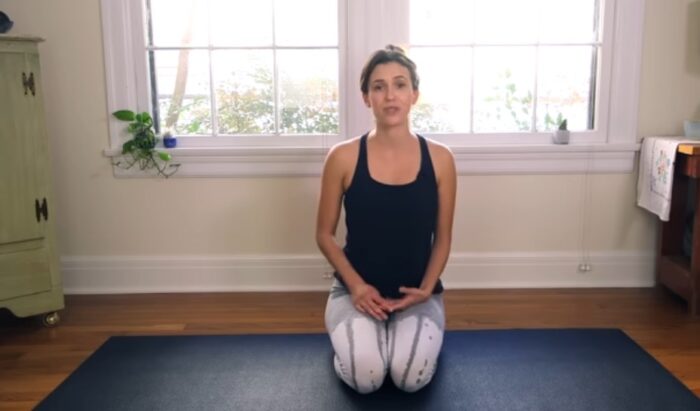
Yoga for stress and anxiety is not about achieving picture-perfect poses or extreme physical contortions. It is a sophisticated and holistic technology for self-regulation, a practical toolkit for soothing the nervous system and reclaiming a sense of calm.
In the relentless hum of modern life, stress and anxiety have become unwelcome companions for millions. The feeling of a racing heart, a knotted stomach, and a mind whirring with uncontrollable thoughts is an all-too-familiar state for many. While traditional approaches like therapy and medication are vital and effective, there is a powerful, accessible, and ancient practice that offers a complementary path to peace: yoga.
It works not by eliminating life’s challenges, but by fundamentally changing our physiological and psychological response to them. This article explores the profound science behind yoga’s calming effects and provides a practical guide to using this ancient practice to find stillness in a turbulent world.
The Science of Stress and How Yoga Intervenes
To understand why yoga for stress anxiety is so effective, we must first understand the stress response. When we perceive a threat, our sympathetic nervous system triggers «fight-or-flight.»
The hormone cortisol floods the body, heart rate increases, muscles tense, and digestion halts—all to prepare us for survival. This is life-saving for a short-term threat, but chronic activation, driven by work pressures, financial worries, or social anxieties, wreaks havoc on our health.
Yoga directly counters this process by activating the parasympathetic nervous system, often called the «rest-and-digest» system. This is achieved through three primary, interconnected mechanisms:
1. The Power of the Breath (Pranayama)
Breath is the most direct lever we have to control our nervous system. When anxious, our breath becomes shallow and rapid, residing in the chest. This shallow breathing reinforces a signal of danger to the brain, creating a vicious cycle of panic.
Yoga introduces conscious breathing techniques (pranayama) that break this cycle:
- Diaphragmatic Breathing: Simply learning to breathe deeply into the belly, expanding the diaphragm, stimulates the vagus nerve. This nerve is the superhighway of the parasympathetic nervous system, sending signals throughout the body to slow the heart rate, lower blood pressure, and promote relaxation.
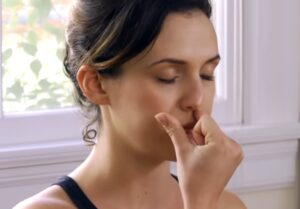
- Extended Exhalations: Techniques like Nadi Shodhana (Alternate Nostril Breathing) or simply making the exhalation twice as long as the inhalation, have a profound calming effect. A long exhale is a direct physiological trigger for relaxation.
2. The Body-Mind Feedback Loop (Asana)
The physical postures (asana) of yoga work on two levels to alleviate anxiety:
- Releasing Physical Tension: Stress and anxiety manifest as physical tension, particularly in the shoulders, neck, jaw, and hips. Poses like gentle forward folds, hip openers, and chest expanders stretch and release these areas of chronic holding. By releasing the physical manifestation of stress, we send a powerful feedback message to the brain that the danger has passed.
- Interoceptive Awareness: Anxiety often pulls us out of our bodies and into a chaotic future inside our heads. Yoga forces us to come back into the present moment by focusing on physical sensations—the stretch in a muscle, the feeling of the feet on the ground. This practice of tuning into the body, known as interoception, is a core component of mindfulness, which is a proven antidote to anxiety.
3. The Quieting of the Mind (Meditation & Mindfulness)
A yoga practice is a moving meditation. The requirement to link breath with movement demands a focused attention that leaves little room for anxious rumination. This is a training ground for the mind. Over time, this focused attention cultivated on the mat begins to translate off the mat. You develop the ability to observe anxious thoughts as they arise without becoming entangled in them—to see the thought as a cloud passing in the sky, rather than the sky itself.

A Toolkit of Practices for Immediate and Long-Term Relief
Not all yoga for stress anxiety is created equal when it comes to calming anxiety. A vigorous Power Yoga class might be stimulating for some, but overwhelming for an already overstimulated nervous system. The following practices are particularly potent for stress relief.
Gentle and Restorative Yoga Poses:
The goal here is not exertion, but surrender. Use props like bolsters, blankets, and blocks to fully support the body, allowing the muscles to release completely.
- Child’s Pose (Balasana): A fundamental resting pose that promotes a sense of safety and security. It gently compresses the abdomen, which can soothe the nervous system.
- Legs-Up-The-Wall Pose (Viparita Karani): Perhaps the quintessential pose for anxiety relief. This gentle inversion reverses blood flow, calming the heart and soothing the adrenal glands. It’s remarkably effective for quieting a racing mind.
- Supported Reclining Bound Angle Pose (Supta Baddha Konasana): By supporting the back and knees with bolsters, this pose opens the heart and hips, areas where we hold deep emotional tension. It encourages a state of vulnerability and release.
- Cat-Cow Stretch (Marjaryasana-Bitilasana): This simple, fluid movement synchronizes breath with spinal movement, releasing tension in the back and massaging the organs of the belly, which are intricately linked to our emotional state (the «gut-brain axis»).
Calming Breathing Techniques (Pranayama):
Practice these for just 3-5 minutes to create an immediate shift.
- Diaphragmatic Breathing: Lie on your back with your hands on your belly. Inhale deeply through your nose, feeling your belly rise. Exhale slowly through your nose or mouth, feeling your belly fall. Focus on making the breath smooth and even.
- 4-7-8 Breathing: Inhale through your nose for a count of 4. Hold your breath for a count of 7. Exhale slowly through your mouth with a whooshing sound for a count of 8. This is a powerful technique for inducing sleep or calming a panic attack.
Yoga Nidra: Non-Sleep Deep Rest
Yoga Nidra, or «yogic sleep,» is a guided meditation practice performed lying down. It is a systematic method of inducing complete physical, mental, and emotional relaxation.
It’s often described as being asleep while remaining fully aware. A 20-30 minute Yoga Nidra session can be as restorative as hours of sleep and is profoundly effective for resetting a frazzled nervous system.
Weaving a Sustainable Anti-Anxiety Practice into Your Life
Consistency is more important than duration. A daily 10-minute practice is far more transformative than a single 90-minute class once a week.
- Start Small: Commit to just 5-10 minutes each day. This could be a few gentle stretches upon waking, a few minutes of breathing at your desk, or a short restorative sequence before bed.
- Focus on Feeling, Not Form: Let go of any ambition to «perform» the poses perfectly. The only goal is to feel better. If a pose feels stressful, back off or come out of it.
- Create a Sacred Space: Designate a quiet corner in your home for your practice. A mat, a blanket, and perhaps a candle are all you need to signal to your brain that it’s time to unwind.
- Listen to Your Body and Mind: Some days you might need gentle, restorative poses. Other days, a more vigorous flow might help you burn off nervous energy. Your practice can and should change based on your internal weather.
- Practice Off the Mat: The ultimate goal is to bring the calm from your yoga mat into your daily life. When you feel stress rising in a meeting or in traffic, take one conscious diaphragmatic breath. This is yoga in action.

Returning Home to Yourself
Yoga for stress and anxiety is not a quick fix or an escape from reality. It is a journey of homecoming—a return to the natural state of equilibrium that exists beneath the layers of worry and tension. It empowers you with the understanding that you are not helpless against the onslaught of stress; you have agency.
By working with the body through gentle movement, harnessing the power of the breath, and training the mind to be present, yoga offers a holistic blueprint for resilience. It teaches us that the peace we seek is not an external destination to be reached, but an internal capacity to be cultivated. On the mat, you learn to find steadiness in a challenging pose (Sthira) and ease within the effort (Sukha).
This is the very essence of managing anxiety: finding a calm, centered ground within the inevitable storms of life. So, unroll your mat not as a chore, but as an act of self-compassion—a daily appointment to quiet the noise and remember the quiet strength that has been within you all along.
This Other Extraordinary Publication «Yoga for Strength: Debunking the Myth and Forging Resilient Power from the Inside Out» Might Interest You! Come in and check it out!!!
I hope you enjoyed this article emphasizing «Yoga for Stress and Anxiety: A Blueprint for Finding Calm in the Chaos». You can share your thoughts and experiences with me in the comments section.