
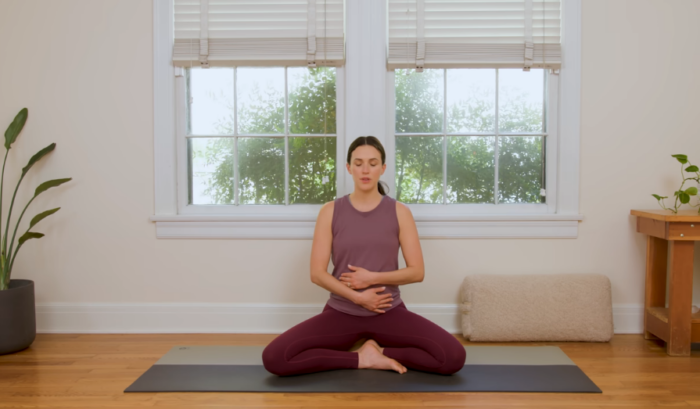
Pregnancy is a profound metamorphosis. It is a journey of incredible physical transformation, emotional upheaval, and spiritual deepening. As a woman’s body becomes a sacred vessel, it can also feel like a foreign landscape—one marked by awe, discomfort, and a cascade of new sensations.
In the midst of this beautiful chaos, prenatal yoga emerges not just as a form of exercise, but as a vital practice of self-care, a community of support, and a toolkit for the monumental journey of childbirth and motherhood. It is a specialized practice that honors the changing body and mind, offering a sanctuary where a mother can connect with her baby, her own inner strength, and a lineage of women who have walked this path before.
Prenatal yoga is far more than a gentle, modified version of a regular class. It is an intentionally crafted discipline designed to support the unique physiological and emotional needs of each trimester. It moves beyond physical postures to encompass breathwork, meditation, and community building, preparing a woman for the marathon of labor and the transformative transition into motherhood.
This article will explore the multifaceted benefits of prenatal yoga, provide a trimester-by-trimester guide to a safe practice, and illuminate the powerful ways it empowers a woman to trust her body and her intuition during one of life’s most significant passages.
The Pillars of Practice: The Multifaceted Benefits of Prenatal Yoga
The advantages of a consistent prenatal yoga practice are extensive, touching every aspect of a woman’s well-being.
- Physical Alleviation and Preparation:
- Easing Common Discomforts: The practice is specifically designed to alleviate the common aches of pregnancy. Poses that open the hips can relieve sciatic pain and pelvic girdle pressure. Gentle backbends counter the forward pull of the growing belly, easing lower back pain. Inversions (when appropriate) can reduce swelling in the feet and ankles.
- Building Functional Strength: Prenatal yoga focuses on building the muscles that are essential for carrying the baby and for labor. Squats strengthen the legs and open the pelvis. Pelvic floor exercises (Kegels integrated with breath) prepare the muscles for birth and postpartum recovery. Arm and upper back strength helps a mother carry her baby, diaper bag, and car seat with greater ease.
- Enhancing Circulation and Energy: The gentle, mindful movements improve blood circulation, delivering more oxygen to both mother and baby. This can boost energy levels and reduce feelings of fatigue. Specific poses can also help improve digestion and relieve constipation.
- The Breath as an Anchor: Pranayama for Pregnancy and Labor
If there is one single most important tool a woman can take from her prenatal practice into the delivery room, it is her breath. Pranayama (yogic breathing) is a cornerstone of prenatal yoga.
- Diaphragmatic Breathing: This deep, belly breathing activates the parasympathetic nervous system, calming the mind and reducing stress hormones. It is the first line of defense against anxiety and panic.
- Ujjayi Breath (Victorious Breath): The soft, oceanic sound of Ujjayi breath gives the mind a focal point, a technique that becomes invaluable for riding the waves of contractions during labor.
- Practice Breathing Techniques: Prenatal classes often introduce specific patterns, like «golden thread exhalation» (releasing the breath slowly through pursed lips) or patterned breathing, to practice managing intensity and discomfort.
- Mental and Emotional Resilience:
Pregnancy is an emotional rollercoaster. Prenatal yoga provides a dedicated space to process these feelings.
- Stress and Anxiety Reduction: The combination of movement, breath, and meditation has been scientifically shown to lower cortisol levels, reducing anxiety and the risk of prenatal depression.
- Cultivating a Mind-Body Connection: The practice encourages a woman to turn inward, to listen to the subtle signals of her body and the movements of her baby. This fosters a deep, intuitive bond and helps her trust her body’s innate wisdom during labor.
- A Toolkit for Labor: Holding a challenging (but safe) squat pose teaches a woman how to breathe through discomfort. This is a direct rehearsal for labor, building the mental fortitude and focus needed for childbirth.
- The Power of Community:
Perhaps one of the most underrated benefits is the creation of a «sisterhood.» A prenatal yoga class is a room full of women going through the same profound experience. The shared sighs, the knowing smiles, the conversations before and after class create a powerful support network that can combat the isolation some women feel during pregnancy. This community becomes a source of friendship, information, and shared strength.

A Trimester-by-Trimester Guide: Honoring the Body’s Evolution
A safe prenatal practice respects the dramatic changes occurring in each trimester. What feels good and is beneficial at 12 weeks may not be appropriate at 32 weeks.
First Trimester (Weeks 1-13): The Season of Gentleness and Listening
This is a critical period of implantation and early development. The primary focus should be on rest and supporting the body’s immense internal work.
- Focus: Energy conservation, managing nausea and fatigue, gentle movement to support circulation.
- Key Poses: Gentle cat-cow stretches for the spine, supported child’s pose (with knees wide), legs-up-the-wall for circulation, and simple seated poses for hip opening.
- Breathwork: Emphasis on calming diaphragmatic breathing to manage anxiety and nausea.
- Important Considerations: This is not the time for intense heat, deep twists, or vigorous vinyasa flows. The risk of miscarriage is highest in the first trimester, so it’s crucial to listen to the body and avoid any strain. Many women choose to keep their practice very simple, private, and restorative during this time.
Second Trimester (Weeks 14-27): The Window of Vitality
For many women, this is the «honeymoon» period. Energy often returns, nausea subsides, and the baby bump begins to show. This is an ideal time to build strength and stability.
- Focus: Building functional strength in the legs and pelvic floor, creating space in the torso, and addressing postural shifts.
- Key Poses: Goddess Pose (Utkata Konasana) for hip opening and leg strength, Supported Warrior II for stability, Puppy Pose for the spine and shoulders, and Supported Bridge Pose to gently open the front body. This is the time to start using props—blocks, bolsters, and blankets—generously.
- Breathwork: Introduction to Ujjayi breath and beginning to practice breath awareness with mild physical intensity.
- Important Considerations: Avoid deep, closed twists and poses that compress the belly. Begin to avoid lying flat on the back for extended periods, as the weight of the uterus can compress the vena cava, reducing blood flow to the baby. Always prop up the upper body in supine positions.
Third Trimester (Weeks 28-Birth): The Practice of Surrender and Preparation
The focus shifts from building strength to preparing for birth, managing discomfort, and cultivating patience.
- Focus: Opening the pelvis, relieving common third-trimester aches (back pain, heartburn, swelling), and practicing positions for labor.
- Key Poses: Deep Squats (Malasana) supported by blocks or a wall, Tailor’s Pose (Baddha Konasana) with a bolster under the knees, Prenatal Cat-Cow on hands and knees to relieve back pain and encourage optimal fetal positioning, and all manner of supported forward folds.
- Breathwork: Practicing rhythmic breathing for labor, golden thread exhalation, and using breath to release tension in the jaw and pelvic floor.
- Important Considerations: Balance becomes a challenge. All standing poses should be done near a wall or with a chair for support. The practice becomes more restorative, focusing on poses that are calming and supportive rather than strenuous.
Essential Poses and Vital Contraindications
The Prenatal Toolkit: Key Poses
- Cat-Cow (Marjaryasana-Bitilasana): The ultimate spinal tonic, relieving back pain and encouraging baby into an optimal position.
- Goddess Pose (Utkata Konasana): Builds strength in the legs and opens the hips and pelvis.
- Supported Squat (Malasana): A fundamental birth preparation pose that opens the pelvic outlet.
- Prenatal Bridge Pose: Gently opens the chest and front body while strengthening the glutes and hamstrings.
- Side-Lying Pose (Savasana Modification): The recommended position for final relaxation, ensuring optimal blood flow for mother and baby.

Absolute Contraindications and Red Flags:
It is crucial to consult with a healthcare provider before starting any new exercise regimen. A woman should stop practicing and contact her provider immediately if she experiences any of the following: vaginal bleeding, decreased fetal movement, ruptured membranes, persistent dizziness or headache, chest pain, or muscle weakness.
More Than a Class, A Rite of Passage
Prenatal yoga is a practice of profound empowerment. It is a declaration that a woman is an active, informed participant in her pregnancy and birth. It teaches her that her body is not a problem to be managed, but a powerful, intelligent force to be trusted. On the mat, she learns to breathe through discomfort, to find strength in vulnerability, and to surrender to a process larger than herself.
She builds a reservoir of calm to draw from during sleepless nights and the intensity of labor. She forges connections that can last into the postpartum period and beyond.
Ultimately, prenatal yoga is a rite of passage—a sacred space where a woman can shed the layers of fear and uncertainty and step into her power, not just as a vessel for new life, but as a mother, strong, resilient, and deeply connected to the primal wisdom within. It is a gift she gives to herself, her baby, and her future family—a foundation of strength and serenity for the beautiful, challenging, and transformative journey ahead.
This Other Extraordinary Publication «Lotus Pose (Padmasana): Unfurling the Physical, Energetic, and Symbolic Heart of Yoga» Might Interest You! Come in and check it out!!!
I hope you enjoyed this article emphasizing «Prenatal Yoga: Weaving a Sanctuary of Strength and Serenity for Mother and Baby». You can share your thoughts and experiences with me in the comments section.