
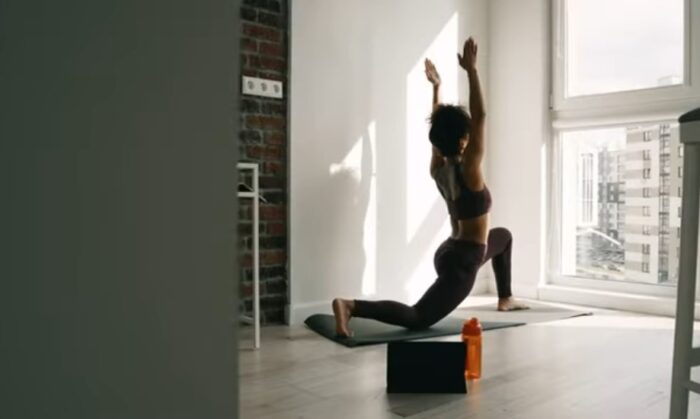
The search for a «yoga instructor near me» is a deceptively simple query that belies a profoundly important journey. It’s not merely a search for a convenient location or a class that fits your schedule; it is the first step in seeking a guide for one of the most personal explorations you can undertake—the journey inward.
Yoga is far more than physical exercise; it is a holistic practice weaving together physical postures (asana), breathwork (pranayama), philosophy, and meditation. The right yoga instructor can illuminate this path, making it accessible, safe, and deeply transformative. The wrong one can lead to frustration, injury, or a misunderstanding of yoga’s true potential.
This guide moves beyond a simple directory search. It is a framework for making an informed, intuitive choice about who will guide your practice, ensuring that the yoga instructor you find is not just «near you» geographically, but aligned with you philosophically and personally.
Part 1: Before You Search – Defining Your «Why»
The most critical step happens before you open a search engine. Clarity about your own intentions will act as a compass, directing you to the right teacher.

Ask yourself these foundational questions:
- What are my primary goals?
- Physical Fitness: Are you seeking to improve flexibility, build strength, recover from an injury, or manage weight?
- Stress Relief and Mental Clarity: Is your main goal to quiet your mind, manage anxiety, and find a sense of calm?
- Spiritual Exploration: Are you interested in the philosophical and meditative aspects of yoga, seeking a deeper connection to yourself or something greater?
- Community: Are you looking for a supportive social environment and a sense of belonging?
- What is my current experience level?
- Absolute Beginner: You need a teacher who prioritizes clear, foundational cues, offers ample modifications, and creates a non-intimidating environment.
- Intermediate/Experienced: You might be looking for a teacher who can challenge you, introduce more advanced postures, and provide subtle refinements to deepen your practice.
- What is my preferred style and class atmosphere?
- Gentle & Restorative: Do you prefer a slow, supportive pace with a focus on relaxation and healing? (e.g., Hatha, Yin, Restorative).
- Energetic & Challenging: Are you looking for a vigorous, physically demanding workout? (e.g., Vinyasa, Ashtanga, Power Yoga).
- Traditional & Philosophical: Do you want a class that includes chanting, philosophy, and a strong emphasis on the original tenets of yoga?
Having answers to these questions will transform your search from a random browse to a targeted mission.
Part 2: The «Where» – Exploring Your Local Yoga Ecosystem
The phrase «near me» typically points to a few key venues. Each has its own advantages and considerations.
- Dedicated Yoga Studios:
These are establishments solely focused on yoga, often founded by experienced teachers.
- Pros:
- Expertise and Specialization: Teachers are usually highly trained and often specialize in specific lineages.
- Community Vibe: They foster a strong sense of community and shared purpose.
- Class Variety: They typically offer a wide range of styles and levels throughout the day.
- Quality of Environment: The space is intentionally designed for yoga—clean, quiet, and peaceful.
- Cons:
- Cost: Drop-in rates and memberships can be more expensive than other options.
- Intimidation Factor: For a complete beginner, a dedicated studio can feel intimidating.
- Large Gym Chains & Fitness Centers (e.g., 24 Hour Fitness, YMCA):
Most major gyms now include yoga in their group fitness schedules.
- Pros:
- Convenience and Cost-Effectiveness: If you already have a gym membership, the classes are often «free» or very low-cost.
- Accessibility: Located in many neighborhoods with flexible schedules.
- Cons:
- Variable Teacher Quality: Instructors may have varying levels of yoga-specific training; the focus can be more on fitness than on the holistic aspects of yoga.
- Environment: The class might be in a loud, mirrored room shared with other activities, which can detract from the meditative quality.
- Community Centers, Parks, and Libraries:
These are often hidden gems for affordable and accessible yoga.
- Pros:
- Low Cost or Donation-Based: Excellent for trying yoga without a significant financial commitment.
- Inclusive and Casual Atmosphere: Tends to be less intimidating and more diverse.
- Cons:
- Inconsistent Scheduling: Classes may be seasonal or less frequent.
- Limited Amenities: Often lacking in props and a dedicated, serene space.
- Private Instructors:
Hiring a teacher for one-on-one or small group sessions.
- Pros:
- Personalized Attention: The instruction is 100% tailored to your body, goals, and limitations.
- Ideal for Specific Needs: Perfect for working with injuries, anxieties, or deeply personal goals.
- Flexibility: You can schedule sessions at your home or their space at mutually convenient times.
- Cons:
- High Cost: This is the most expensive option.
- Requires More Vetting: You need to be very diligent in checking their credentials.

Part 3: The «Who» – Vetting the yoga instructor: Beyond the Resume
Finding a venue is one thing; choosing the right yoga instructor within that venue is another. A 500-hour certification is important, but it’s not the whole story. The best teachers embody certain qualities.
Essential Credentials & Practicalities:
- Certification: Look for instructors certified by a reputable organization like Yoga Alliance (which offers RYT-200, RYT-500 designations). This ensures they have met minimum standards for training in anatomy, philosophy, and teaching methodology.
- Insurance: A professional yoga instructor should carry liability insurance.
- Specializations: Do they have additional training in areas like prenatal yoga, yoga therapy, or working with seniors if that is relevant to you?
The Intangible Qualities of a Great Teacher:
This is where the real connection happens. Take a class and observe:
- Their Voice and Cueing: Is their voice calm and clear? Are their instructions easy to follow? Do they offer both visual and tactile (feeling-based) cues? A great teacher guides you to feel the pose in your body, not just mimic a shape.
- Their Focus on Alignment and Safety: Do they emphasize safe alignment over achieving a «perfect» pose? Do they offer modifications for different levels? Are they constantly observing the room and making gentle, helpful adjustments (verbally or with consent)?
- Their Personality and Energy: Does their energy resonate with you? Are they warm and encouraging, or more strict and disciplined? There’s no right or wrong answer here—it’s about personal preference. The key is that you feel comfortable and supported.
- Their Philosophy: Do they weave elements of yoga philosophy into the class in a way that feels authentic and accessible? Or is the class purely physical? See if their approach to the practice aligns with your «why» from Part 1.
- Inclusivity: Do they create an environment where all bodies, ages, and abilities feel welcome? A good teacher celebrates individual progress, not comparison.
Part 4: The Action Plan – Your Step-by-Step Search Strategy
- Start with a Broad Online Search: Use Google, Mindbody, or ClassPass to find studios and instructors «near you.» Read websites and bios carefully. Do their stated values and class descriptions match your goals?
- Leverage Social Media and Reviews: Instagram and Facebook can be great windows into a teacher’s style. Look at their posts and stories. Do they seem knowledgeable and passionate? Read Google and Yelp reviews, but take them with a grain of salt—look for consistent themes rather than isolated complaints or praises.
- Take Advantage of Introductory Offers: Most studios offer a cheap introductory week or a discounted first class. This is the best way to «test drive» a teacher.
- Communicate Directly: Don’t be afraid to email or call a studio or teacher beforehand. You can say, «I’m a beginner with a tight lower back. Would your [Class Name] be appropriate for me?» Their response will tell you a lot about their customer service and attentiveness.
- Audition Multiple Teachers: Don’t settle after one class. Try different styles and different instructors, even within the same studio. It often takes a few tries to find the right fit.
- Trust Your Gut: After a class, check in with yourself. How do you feel? Energized and centered, or stressed and inadequate? Your intuition is a powerful guide. The right teacher should leave you feeling better than when you walked in.

The Relationship is the Practice
The search for a «yoga instructor near me» is ultimately a search for a relationship—a professional, supportive, and impactful one. This person will witness your struggles and your breakthroughs. They will help you navigate the capabilities and limitations of your body with kindness and curiosity.
The perfect instructor is not necessarily the most famous or the most physically advanced. The perfect instructor is the one who sees you, challenges you appropriately, keeps you safe, and empowers you to develop your own personal practice. They are a mirror, reflecting your own potential back to you.
By investing the time to find this guide, you are not just signing up for a class; you are investing in your long-term well-being. So, approach your search with intention, patience, and an open heart. The right teacher is out there, waiting to help you unlock the profound gifts that yoga has to offer.
This Other Extraordinary Publication «Raffa Yoga Retreats: Where Relaxation Meets Renewal» Might Interest You! Come in and check it out!!!
I hope you enjoyed this article emphasizing «Finding Your Guide: A Comprehensive Guide to Choosing the Right Yoga Instructor Near Me». You can share your thoughts and experiences with me in the comments section.