
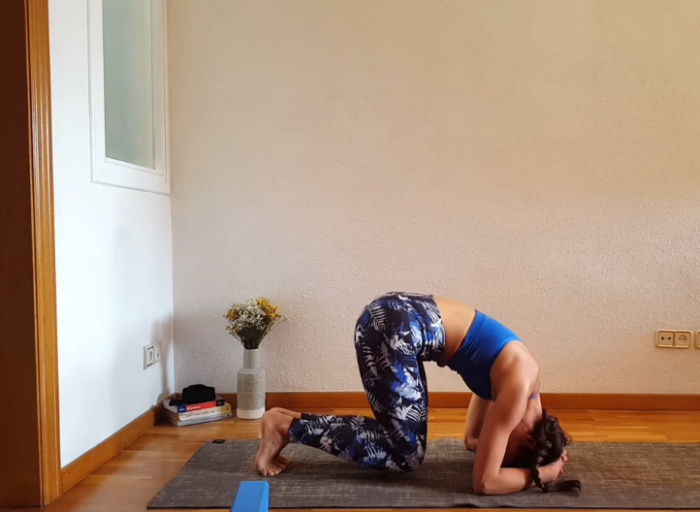
In the vast and varied kingdom of yoga asanas, one posture reigns supreme, earning the title of «the king»—Sirsasana, the Headstand. It is an pose that commands both awe and intimidation.
The image of a yogi, perfectly poised upside down, body aligned like a royal scepter, is one of the most iconic in the entire practice. Yet, for many, the journey to achieving this pose is fraught with fear, frustration, and physical challenge.
To view Sirsasana as merely a party trick or a physical achievement, however, is to miss its profound essence entirely. The Headstand is not just an inversion; it is a metamorphosis. It is a practice of reorienting one’s entire world—physically, mentally, and energetically.
This article will delve into the multifaceted nature of the Headstand, exploring its legendary benefits, its intricate anatomical requirements, the layered path to achieving it safely, and the profound philosophical lessons it imparts. We will move beyond the «how-to» to understand the «why,» revealing why this pose has been revered for centuries as a cornerstone of yogic discipline and a powerful tool for self-mastery.
The Crown of Benefits: Why the Headstand Earned its Royal Title
The title «King of Asanas» was not bestowed lightly. Traditional yogic texts and modern science alike point to a remarkable array of benefits that come from regularly and correctly practicing this inversion.
- Physiological Reversal: A New Perspective for the Body
- Circulatory Refresh: Inverting the body reverses the pull of gravity on the circulatory system. Venous blood, which can pool in the legs and feet, is more easily returned to the heart. Fresh, oxygenated blood flows with increased pressure to the brain, potentially enhancing cerebral function, sharpening the senses, and improving memory and concentration. This «flush» of blood is also believed to nourish the pituitary and pineal glands, the master regulators of the endocrine system.
- Lymphatic Drainage: The lymphatic system, which relies on muscle contraction and movement to drain waste, is given a significant boost from inversion. This can enhance immune function and reduce swelling.
- Respatory Relief: The weight of the abdominal organs presses down on the diaphragm, encouraging a deeper, more complete exhalation. This creates more space for a fuller inhalation, strengthening the respiratory muscles and increasing lung capacity.
- Structural Decompression: For those who spend their days upright, the spine is constantly under compressive force. Sirsasana temporarily relieves this pressure, creating space between the vertebrae and potentially alleviating minor back aches. It also gives the internal organs a «vacation» from their usual position, allowing for a temporary shift and release of tension.
- Mental and Energetic Metamorphosis
- A Shift in Perspective: Literally turning your world upside down is a powerful metaphor. It forces you to see things from a different angle, breaking habitual patterns of thought and perception. This can foster mental flexibility, creativity, and problem-solving skills.
- Conquering Fear and Building Focus: The fear of falling is primal. To lift your feet off the ground and surrender to the inversion requires immense trust in your own strength and alignment. The practice of Headstand is a direct confrontation with this fear. It demands and cultivates unwavering focus (Drishti), mental calm, and breath control (Pranayama). The mind must be perfectly still for the body to be stable.
- Energetic Transformation: In yogic philosophy, we possess a vast reservoir of latent spiritual energy at the base of the spine, known as Kundalini. Inversions are believed to help reverse the flow of this energy, guiding it upward from the lower energy centers (Muladhara and Svadhisthana Chakras) associated with survival and emotion, toward the higher centers (Ajna and Sahasrara Chakras) in the head, associated with intuition, wisdom, and universal consciousness.
The Foundation of the Throne: Anatomy, Alignment, and Safety
The greatest risk in Headstand is placing the entire body’s weight on the fragile bones of the skull and the vulnerable vertebrae of the neck. This is a critical misunderstanding. In a proper Sirsasana, the head is a tripod point of contact, but the primary weight is borne by the arms and shoulders, which create a strong, supportive «cradle» for the head.
The Essential Blueprint:
- The Tripod Base: The crown of the head rests on the floor, but the true foundation is the forearms. The hands clasp, elbows shoulder-width apart, forming a stable triangle. The weight must be distributed evenly across the forearms and the crown of the head, never on the forehead or the back of the head.
- The Shoulder Girdle: This is the true powerhouse of the pose. The shoulders must be actively «shrugged» up towards the ears and then powerfully drawn down the back, away from the ears. This action, engaging the trapezius and serratus anterior muscles, creates a stable shelf that prevents the full weight from collapsing onto the neck.
- The Core Integration: The lift does not come from kicking up. It comes from a fierce engagement of the core. The transverse abdominis must draw in, and the pelvic floor must engage, creating a «hoisting» action that lifts the hips over the shoulders. A strong core is the elevator that raises the body.
- The Full-Body Alignment: Once inverted, the body should form a straight line from the wrists/elbows, through the shoulders, hips, and up to the heels. The tailbone tucks slightly to prevent a banana-back, and the legs are active and engaged.
Critical Contraindications: Headstand is not for everyone. It should be avoided or practiced only under expert guidance by those with:
- Neck or back injuries
- High or low blood pressure
- Heart conditions
- Glaucoma or other eye pressure issues
- Osteoporosis
- During menstruation (a traditional contraindication based on reversing the apanic energy flow)
- Pregnancy

The Royal Path: A Step-by-Step Progression to Mastery
Rushing into a full Headstand is a recipe for injury. The journey is one of patience, humility, and building strength progressively.
Stage 1: Building the Foundation (Without Inverting)
- Dolphin Pose (Ardha Sirsasana): This is the single most important preparatory pose. It builds immense strength in the shoulders, arms, and core, exactly as needed for the full pose. Practice holding Dolphin Pose, then progress to «Dolphin Planks,» walking the feet in and out.
- Forearm Plank: Builds core and shoulder endurance in a horizontal position.
- Strengthening the Neck: Gentle neck stretches and isometric exercises can help prepare the cervical spine for the load it will bear.
Stage 2: Mastering the Lift with Support
- At the Wall: The wall is not a crutch; it is a teacher. Use it to understand the alignment without the fear of falling over.
- Option A (Back to Wall): Set up your foundation about an forearm’s distance away from the wall. Walk your feet up the wall until your hips are over your shoulders. This teaches the correct vertical alignment.
- Option B (Facing the Wall): This is a more advanced but superior method. Kneel facing the wall, with your forearms on the floor and your clasped hands touching the wall. As you lift your legs, the wall prevents you from kicking too hard, forcing you to use your core. The sacrum rests against the wall for feedback.
Stage 3: Finding Freedom in the Center
- Moving away from the wall is the final stage. This requires not just physical readiness but psychological readiness. Practice lifting one leg at a time, using the core to control the movement. The moment of taking both feet off the ground in the center of the room is a profound act of trust and self-belief.
The Deeper Kingdom: Sirsasana as a Philosophical Practice
Beyond the physical alignment, Sirsasana is a rich ground for philosophical inquiry.
- Sthira and Sukha (Steadiness and Ease): The pose is the ultimate expression of this yogic principle. You must find unwavering steadiness (Sthira) in the foundation and the core, while simultaneously cultivating a sense of ease (Sukha) in the breath and the face. The jaw is soft, the breath is calm, even as the body performs a feat of great strength.
- Confronting the Ego: The desire to «achieve» the pose can be powerful. The ego wants to kick up, to show off, to get the photo. Sirsasana ruthlessly punishes this approach. It demands humility. It teaches that true mastery comes from surrender to the process, from listening to the body, and from respecting one’s limits. Falling is not failure; it is feedback.

- The Inner Sanctuary: When the body is inverted and the mind is focused solely on the breath and alignment, the external world falls away. Sirsasana becomes a moving meditation, an inner sanctuary of stillness. In the quiet balance of the pose, the chatter of the mind subsides, and one can access a state of profound peace and self-awareness.
The Crown of Self-Mastery
The Headstand, Sirsasana, is far more than a physical posture. It is a holistic discipline that integrates strength with surrender, anatomy with awareness, and fear with faith. The journey to mastering it is a microcosm of the larger yogic path: it requires dedication, patience, self-study, and the courage to face one’s own limitations.
The true «crown» of this king of asanas is not the ability to stand on your head, but the self-knowledge and inner equilibrium you gain in the process. It is the calm focus that replaces frantic effort, the humble acceptance of where you are today, and the profound sense of empowerment that comes from having, quite literally, turned your world on its head and found perfect stillness at its center.
The king does not rule over an external kingdom, but over the inner landscape of the self. And in the serene, inverted balance of Sirsasana, for a few precious moments, that kingdom is perfectly at peace.
This Other Extraordinary Publication «Lotus Pose (Padmasana): Unfurling the Physical, Energetic, and Symbolic Heart of Yoga» Might Interest You! Come in and check it out!!!
I hope you enjoyed this article emphasizing «Headstand (Sirsasana): A Journey of Inversion, Introversion, and Inner Balance». You can share your thoughts and experiences with me in the comments section.