
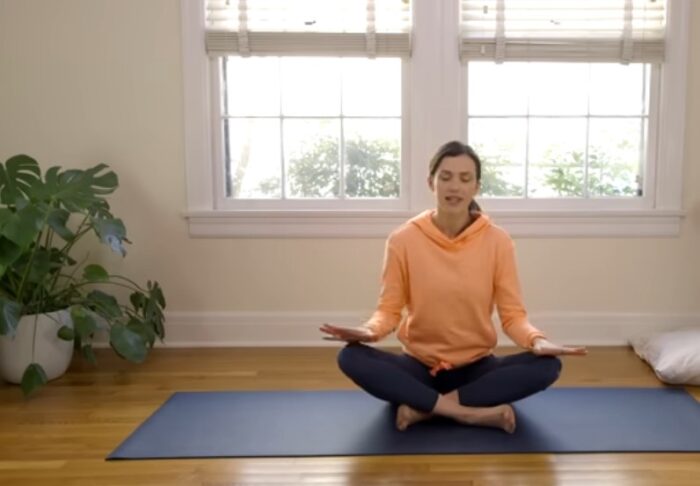
For decades, the running community was largely divided into two camps: those who ran, and those who stretched. The archetypal runner, often portrayed as relentlessly forward-moving, sometimes viewed flexibility with suspicion, fearing that loosening tight muscles might rob them of their power and spring.
Meanwhile, the world of yoga for runners was sometimes mischaracterized as a passive, purely meditative practice. Today, however, a powerful synthesis has taken root. An increasing number of elite athletes, coaches, and weekend warriors are discovering that yoga is not a diversion from running but a vital component of a holistic and sustainable running practice. Yoga for runners is no longer a niche trend; it is an essential discipline for anyone seeking to improve performance, prevent injury, and cultivate a healthier relationship with their body.
This integration addresses a fundamental flaw in traditional running regimens: the pattern of repetitive motion. Running is a magnificent, high-impact activity that primarily occurs in the sagittal plane—forward and back. This constant repetition builds incredible strength in some muscle groups—like the quadriceps, calves, and glutes—while often neglecting others.
It simultaneously creates significant muscular imbalances; the hamstrings and hip flexors become chronically tight, the inner thighs and outer hips weak, and the core under-engaged. These imbalances are the primary precursors to the most common running ailments: IT Band Syndrome, Runner’s Knee, plantar fasciitis, and shin splints.
Yoga steps in as the perfect counterbalance. It is a practice of intelligence, not just intensity. It introduces movement in all three planes of motion, strengthens the weak areas, lengthens the tight ones, and fosters a profound sense of body awareness that allows a runner to detect and correct minor issues before they become major injuries.
This article will delve deep into the symbiotic relationship between yoga and running, exploring the physiological and psychological benefits, outlining key poses for a runner’s toolkit, and providing practical sequences to weave into your training schedule.
The Symbiotic Relationship: More Than Just Stretching
To view yoga for runners merely as a stretching session is to miss the vast majority of its benefits. For a runner, a consistent yoga practice offers a multi-faceted return on investment.
- Injury Prevention through Balance and Alignment:
The core of injury prevention lies in correcting muscular imbalances. When certain muscles are overdominant and others are weak, the body’s kinetic chain falls out of alignment. For instance, weak gluteus medius muscles can cause the knee to collapse inward upon foot strike, a primary factor in patellofemoral pain syndrome (Runner’s Knee). Yoga poses like Warrior III, Tree Pose, and Chair Pose demand and develop glute and hip stabilizer strength, teaching the body to maintain proper alignment under load. This newfound stability translates directly to a more efficient and safer running gait.
- Enhanced Flexibility and Range of Motion:
This is the most obvious benefit, but its importance cannot be overstated. Tight muscles, particularly the hamstrings and hip flexors, restrict a runner’s stride length and power. More importantly, they force other muscles and joints to compensate, leading to overuse injuries. A gentle, consistent yoga practice gradually increases functional flexibility—the kind of flexibility that is useful and accessible during movement, not just in a static stretch. Poses like Low Lunge for the hip flexors, Pyramid Pose for the hamstrings, and Pigeon Pose for the deep external rotators of the hip create space in the body, allowing for a fuller, more fluid range of motion.
- Improved Breathing Capacity and Efficiency:
Running and breathing are inextricably linked. Yet, many runners are «chest breathers,» taking shallow, inefficient breaths that fail to fully oxygenate the blood. Yoga places a paramount emphasis on pranayama, or breath control. Techniques like Ujjayi breath (Victorious Breath) and diaphragmatic breathing teach a runner to engage their entire respiratory system, drawing air deep into the lungs. This not only increases VO2 max over time but also has a immediate calming effect on the nervous system. Learning to control the breath during the challenging holds of a yoga pose builds the mental and physical resilience needed to maintain composure and rhythm during a tough hill repeat or the final miles of a race.
- Core Strength for Power and Stability:
A strong core is the engine of a powerful runner. It stabilizes the torso, prevents excessive rotation, and allows for the efficient transfer of power from the legs to the ground. Many runners mistakenly believe that crunches are the answer, but yoga builds a far more functional, holistic core strength. Poses like Plank, Side Plank (Vasisthasana), and Boat Pose (Navasana) engage the entire abdominal wall, the obliques, and the deep stabilizers of the lower back. This creates a solid foundation from which to run, reducing energy leaks and improving overall economy.
- Mental Fortitude and Focus:
Running is as much a mental challenge as a physical one. The «wall» in a marathon is not just a physical barrier; it’s a mental one. Yoga is a practice in mindfulness. It trains the mind to stay present with discomfort without panicking or resisting. Holding a difficult pose like Chair Pose teaches you to observe the sensation of burning quads without immediately needing to escape. This skill is directly transferable to running: when your legs are screaming at mile 22, a yogic mindset allows you to acknowledge the pain, steady your breath, and continue moving forward with focus and determination. It cultivates the mental toughness that separates good runners from great ones.
The Runner’s yoga for runners Toolkit: Essential Poses and Their Benefits
A runner does not need to master advanced arm balances or deep backbends to reap the rewards of yoga. A simple, consistent practice focused on key areas is profoundly effective. Here is a breakdown of essential poses, categorized by their primary benefit.
For Hip Openers and Flexibility:
- Pigeon Pose (Eka Pada Rajakapotasana): The quintessential runner’s pose. It targets the deep external rotators of the hip (the piriformis group), which can become incredibly tight and lead to sciatic pain and IT band issues. Modification: Place a folded blanket or block under the hip of the bent leg for support.
- Low Lunge (Anjaneyasana): A direct stretch for the hip flexors, particularly the psoas, which shorten with every running stride. This pose helps restore pelvic alignment. Deepen: Sink the hips forward and down, and for a variation, reach the same-side arm back to grab the foot for a quad stretch.
- Goddess Pose (Utkata Konasana): This wide-legged squat opens the hips and groin while strengthening the legs and glutes. It encourages external rotation, countering the internal rotation common in runners with weak glutes.
- Figure-Four Stretch (Supine Pigeon): A gentler, supine version of Pigeon Pose that is excellent for cool-downs. It safely stretches the glutes and piriformis without putting weight on the knees.
For Hamstring and Calf Care:
- Pyramid Pose (Parsvottanasana): A standing pose that provides a deep, controlled stretch for the hamstrings of the front leg while also engaging the quad of the back leg to stabilize the hip. It teaches how to hinge at the hips, a movement pattern beneficial for running form.
- Downward-Facing Dog (Adho Mukha Svanasana): A full-body stretch that is particularly beneficial for lengthening the calves, hamstrings, and the entire back side of the body. It also builds shoulder stability and gently strengthens the arms.
- Seated Forward Fold (Paschimottanasana): A calming pose that stretches the entire posterior chain, from the calves to the spine. It is ideal for post-run recovery, helping to soothe the nervous system.
For Strength and Stability:
- Warrior II (Virabhadrasana II): A powerhouse pose for building strength and endurance in the legs, glutes, and core. It opens the hips and improves stability in the ankles and knees, mimicking the single-leg stability required for running.
- Chair Pose (Utkatasana): Essentially a bodyweight squat hold, this pose builds formidable strength in the quads and glutes. The isometric hold builds mental endurance and teaches proper squat form, engaging the core to protect the lower back.
- Tree Pose (Vrksasana): The ultimate balance pose. It strengthens the stabilizing muscles of the standing leg, particularly the ankles and hips, and improves proprioception—your body’s awareness of its position in space. This is crucial for running on uneven terrain and preventing ankle rolls.
- Bridge Pose (Setu Bandha Sarvangasana): An essential pose for activating and strengthening the glutes and hamstrings, which are often dormant in runners who over-rely on their quads. A strong bridge translates to a more powerful push-off.
For Core Engagement and Spinal Health:
- Plank Pose (Phalakasana): The fundamental core strengthener. A strong, stable plank position ensures your core is engaged while running, preventing a collapsing torso and promoting efficient energy transfer.
- Boat Pose (Navasana): Challenges the deep core muscles, including the hip flexors, in a balanced way. It builds the endurance needed to maintain good form when fatigued.
- Cat-Cow Pose (Marjaryasana-Bitilasana): A gentle, flowing movement that mobilizes the spine, countering the repetitive, compressive nature of running. It helps relieve tension in the back and neck.

Weaving Yoga into Your Running Schedule: Practical Sequences
The key to a successful yoga for runners partnership is timing and intensity. A vigorous Vinyasa flow the day before a marathon is not advisable, just as a long run immediately after an intense deep stretch session might be counterproductive.
- Pre-Run Dynamic Sequence (5-10 minutes):
The goal before a run is to warm up the muscles, increase blood flow, and activate the nervous system—not to deepen into stretches. This sequence should be dynamic and gentle.
- Gentle Neck and Shoulder Rolls: Release upper body tension.
- Cat-Cow Flow (10 rounds): Warm up the spine.
- Downward Dog Pedaling (1 minute): Gently wake up the calves and hamstrings.
- High Lunge to Hamstring Stretch (5 rounds per side): Step forward into a lunge, then straighten the front leg for a gentle hamstring stretch, then step back to lunge. This creates dynamic movement.
- Leg Swings (forward/back and side-to-side): These are classic running drills that perfectly complement a pre-run yoga warm-up.
- A few rounds of Sun Salutation A: To build heat and connect movement with breath.
- Post-Run Recovery Sequence (15-20 minutes):
This is the time for deep, static stretching and calming the nervous system. Hold each pose for 5-10 deep breaths, focusing on relaxation.
- Legs Up the Wall (Viparita Karani): The ultimate recovery pose. It reduces inflammation in the legs, promotes circulation, and calms the mind.
- Reclining Hand-to-Big-Toe Pose (Supta Padangusthasana): A supine hamstring stretch that allows you to control the intensity without straining the back.
- Supine Figure-Four Stretch: For the glutes and piriformis.
- Low Lunge: For the hip flexors.
- Seated Forward Fold: For the entire posterior chain.
- Happy Baby Pose (Ananda Balasana): Gently opens the hips and lower back.
- Supine Twist (Supta Matsyendrasana): Releases tension in the spine and glutes.
- Final Relaxation (Savasana): 5 minutes of complete rest to allow the body to integrate the benefits of the practice.
- A Standalone Yoga for Runners Session (45-60 minutes):
Once or twice a week, dedicate a full session to yoga, separate from your runs. This allows for a more comprehensive practice that builds strength and addresses imbalances.
- Centering & Warm-up (10 mins): Seated meditation, breath awareness, Cat-Cow, gentle flows.
- Standing Poses (20 mins): A series including Warrior I, II, and III, Triangle Pose (Trikonasana), Pyramid Pose, and Chair Pose. Focus on alignment and engagement.
- Balance & Core (10 mins): Tree Pose, Eagle Pose (Garudasana) for ankle stability, Plank variations, Boat Pose.

- Cool-down & Deep Stretching (10 mins): Pigeon Pose, seated stretches, and a long Savasana.
A Mindful Conclusion: The Journey Inward
Ultimately, the greatest gift yoga for runners may transcend the physical. Running can sometimes become a numbers game—focused on pace, distance, and personal records. Yoga brings the focus back to the internal experience: the rhythm of the breath, the subtle signals of the body, the quality of the present moment.
This mindful awareness transforms running from a purely external pursuit to an internal exploration. You begin to notice if your right hip feels tighter than your left, if your breathing becomes shallow when you’re stressed, or if your form deteriorates when you’re tired. This self-knowledge is the foundation of intelligent training. It empowers you to listen to your body, to distinguish between the pain of growth and the pain of injury, and to run with a sense of joy and longevity.
Yoga for runners is not about becoming the most flexible person in the room; it is about becoming a more resilient, balanced, and aware athlete. It is the practice of finding stillness in motion and power in stillness. By unrolling the mat, a runner invests in the longevity of their passion, ensuring that the simple, profound joy of putting one foot in front of the other can be sustained for a lifetime.
This Other Extraordinary Publication «Yoga for Better Sleep: Weaving a Tapestry of Tranquility for the Restless Mind and Body» Might Interest You! Come in and check it out!!!
I hope you enjoyed this article emphasizing «Yoga for Runners: The Ultimate Guide to Unlocking Strength and Flexibility». You can share your thoughts and experiences with me in the comments section.