
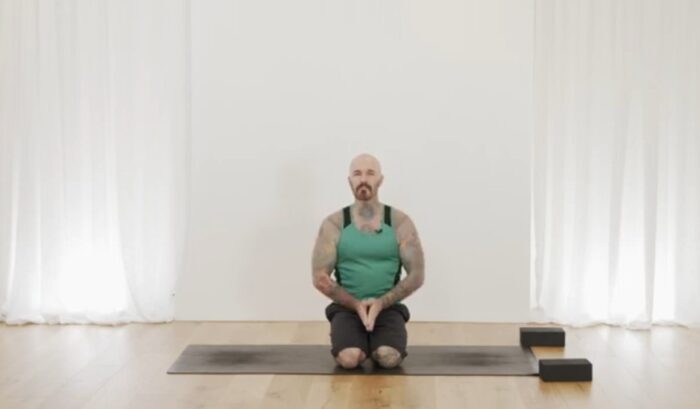
Restorative yoga offers a gentle yet powerful antidote to the chaos, providing a space for relaxation, healing, and inner balance. Unlike more vigorous styles of yoga, restorative yoga focuses on stillness, deep breathing, and passive poses supported by props, creating a nurturing environment for the body and mind to unwind.
In the fast-paced world we live in, stress has become an inevitable part of daily life. From meeting work deadlines to managing personal responsibilities, the constant pressure can take a toll on both our physical and emotional well-being.
This article delves into the transformative power of restorative yoga, its benefits for stress relief and emotional balance, and how to incorporate it into your routine for a healthier, more grounded life.
What Is Restorative Yoga?
Restorative yoga is a calming practice that prioritizes rest and relaxation. Originating from the teachings of B.K.S. Iyengar, it involves the use of props such as bolsters, blankets, and blocks to fully support the body in each pose. This allows practitioners to release tension and experience a state of deep rest without exertion.
Key Features of Restorative Yoga
- Minimal Effort: Poses are held for an extended period, typically 5-20 minutes, allowing the body to settle and relax completely.
- Use of Props: Props eliminate strain and ensure comfort, enabling deeper relaxation.
- Focus on the Breath: Conscious, slow breathing helps calm the nervous system and shift the body into a state of rest and digest.
The primary goal of restorative yoga is not flexibility or strength but creating space for healing and emotional equilibrium.
The Science Behind Restorative Yoga and Stress Relief
Stress activates the body’s fight-or-flight response, leading to elevated heart rate, increased cortisol levels, and muscle tension. While this response is essential for survival, chronic stress keeps the body in a heightened state, contributing to anxiety, depression, and physical ailments such as hypertension and insomnia.
Restorative yoga works by activating the parasympathetic nervous system (PNS), which counteracts the stress response. When the PNS is engaged:
- Heart rate slows down.
- Blood pressure decreases.
- Digestion and immune functions improve.
- Cortisol levels drop, reducing inflammation.
Studies have shown that restorative yoga reduces stress and anxiety while enhancing overall well-being. Its emphasis on mindfulness and deep breathing promotes emotional regulation, helping practitioners process and release pent-up emotions.
Benefits of Restorative Yoga for Stress Relief and Emotional Balance
1. Reduces Physical Tension
Stress often manifests as tightness in the shoulders, neck, and back. Restorative poses, such as Supported Child’s Pose and Reclined Butterfly, gently stretch and relax these areas, releasing built-up tension.
2. Promotes Emotional Healing
Emotions like sadness, anger, or fear can become stored in the body, leading to feelings of heaviness or disconnection. Restorative yoga provides a safe space to acknowledge and release these emotions, fostering greater emotional clarity and balance.
3. Improves Sleep Quality
The calming effects of restorative yoga help prepare the mind and body for restful sleep. Regular practice can alleviate insomnia by reducing mental chatter and physical restlessness.
4. Enhances Mindfulness
By encouraging stillness and focused breathing, restorative yoga cultivates mindfulness—the ability to stay present and aware. This practice helps break the cycle of rumination, a common contributor to stress and anxiety.
5. Boosts Resilience
As stress levels decrease, the body and mind become better equipped to handle future challenges. Restorative yoga strengthens resilience by providing tools for relaxation and emotional regulation.

A Typical Restorative Yoga Session
A restorative yoga session typically includes a combination of calming poses, mindful breathing, and periods of reflection. Below is an example of what a session might look like:
1. Setting the Tone (5-10 minutes)
- Begin with a comfortable seated position or lie down in Savasana (Corpse Pose).
- Close your eyes and focus on your breath, inhaling and exhaling slowly.
- Set an intention for the practice, such as releasing tension or finding inner peace.
2. Supported Poses (30-40 minutes)
Restorative poses are held for several minutes, allowing the body to relax deeply. Here are a few examples:
a) Supported Child’s Pose
- Sit on your heels and place a bolster or stack of blankets in front of you.
- Lean forward, resting your chest and forehead on the bolster.
- Extend your arms forward or let them rest alongside your body.
Benefits: Stretches the lower back and hips, calms the nervous system.
b) Reclined Butterfly Pose
- Lie on your back with a bolster supporting your spine.
- Bring the soles of your feet together, allowing your knees to fall open like a butterfly’s wings. Use blocks or blankets under your knees for support.
- Rest your arms comfortably at your sides.
Benefits: Opens the chest and hips, encourages deep breathing.
c) Legs-Up-the-Wall Pose
- Sit sideways against a wall, then swing your legs up as you lower your back onto the floor.
- Adjust your position so your hips are close to the wall.
- Rest your arms at your sides and close your eyes.
Benefits: Relieves tired legs, reduces swelling, and promotes relaxation.
3. Closing Relaxation (5-10 minutes)
End the session with Savasana or seated meditation, focusing on gratitude and the sensations of relaxation.
Incorporating Restorative Yoga into Your Life
Adding restorative yoga to your routine doesn’t require a significant time commitment. Even 10-15 minutes of practice can make a difference. Here are some tips to integrate it into your lifestyle:
- Create a Relaxing Environment: Dedicate a quiet, clutter-free space for your practice. Dim lighting and calming music can enhance the experience.
- Use Props Effectively: Invest in a few basic props, or improvise with household items like pillows and blankets.
- Practice Regularly: Aim for 2-3 sessions per week to experience cumulative benefits.
- Listen to Your Body: Avoid forcing yourself into poses. The goal is to feel supported and at ease.
- Combine with Other Practices: Pair restorative yoga with meditation, journaling, or deep breathing exercises for a holistic approach to stress relief.

The Transformative Power of Restorative Yoga
In a culture that often glorifies busyness and productivity, restorative yoga serves as a reminder of the importance of rest. By slowing down and tuning in, it helps us reconnect with our inner selves, fostering a sense of peace and balance. The practice not only alleviates stress but also builds a foundation for emotional resilience and self-awareness.
Whether you’re a seasoned yogi or a complete beginner, restorative yoga offers a sanctuary for healing and renewal. Its gentle yet profound effects make it a valuable tool for navigating the challenges of modern life with grace and ease.
So, unroll your mat, gather your props, and give yourself permission to rest—you deserve it.
This Other Extraordinary Post “Top Features of Gaiam Yoga Mats: Durability, Design, and Eco-Friendliness” May Interest You Come In and Check It Out!!!
I hope you enjoyed the publication of this article emphasizing “Restorative Yoga for Stress Relief and Emotional Balance”. You can share your opinions and experiences with me in the comments section.